
Schedule a Plumber This Friday to Get 50$ OFF
Schedule a Plumber This Friday to Get 50$ OFF

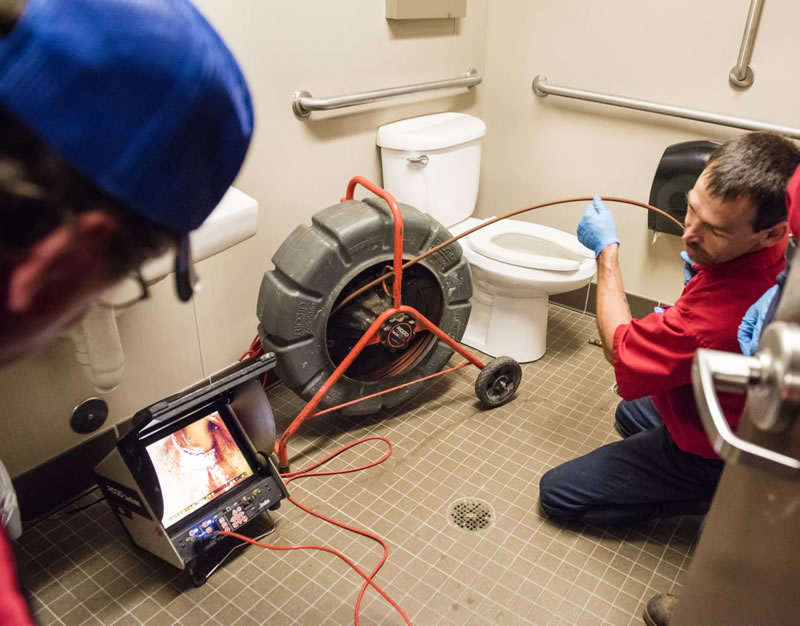
A toilet is one of the most frequently used fixtures in your home, yet a small crack in the bowl or tank can easily be overlooked. Hairline fractures may not seem important at first glance, but they can create real risks for your floors, subfloor, or even the structure beneath your bathroom. Moisture escaping from a cracked toilet doesn’t always stay contained to the immediate area, and the damage can escalate faster than expected. Ignoring the issue can lead to costly repairs that extend far beyond the fixture itself.
In this blog post, our professionals from Mr. Rooter Plumbing will talk about if a cracked toilet can cause water damage and what warning signs to watch for.
A cracked toilet can leak in different ways depending on where the fracture appears. A hairline crack in the tank may allow water to drip slowly onto the floor each time the toilet refills. A crack in the bowl can release water with every flush, especially if it extends below the water line. Even a small, steady leak can soak into grout lines, tile seams, or vinyl flooring edges, eventually reaching the subfloor. As water accumulates, wood materials can swell, warp, and rot. Over time, the damage may spread beyond the bathroom and affect adjacent rooms, leading to expensive repairs that go far beyond a simple toilet replacement.
Visible water around the base of the toilet is one of the clearest indicators of a problem. You may notice damp flooring, discoloration, or soft spots that feel spongy underfoot. A persistent musty odor in the bathroom can signal ongoing moisture exposure, even if standing water is not obvious. Higher water bills may also point to a slow but consistent leak. If the toilet rocks slightly or feels unstable, water damage may have already weakened the flooring beneath it. At this stage, contacting a plumber in Killen, TX for a professional inspection is essential to determine the extent of the issue and prevent further deterioration.
Bathroom floors are designed to handle occasional splashes, but they are not built to withstand continuous leakage. Water that seeps beneath tile or laminate can break down adhesives and cause materials to separate. Subflooring, especially if made of plywood or particleboard, absorbs moisture and gradually loses its strength. As the structure weakens, the toilet may shift or sink slightly, creating gaps in the wax seal and allowing even more water to escape. This cycle accelerates damage and can lead to extensive repairs that require removing the toilet, replacing flooring sections, and restoring structural integrity. Prompt plumbing service helps interrupt this cycle before it escalates.
Water from a cracked toilet does not always stay confined to the bathroom. Moisture can travel through subflooring and appear as stains on ceilings in lower levels of the home. Drywall may develop bubbling paint or brown discoloration, indicating water infiltration. In multi-story homes, the damage can spread through joists and framing members, weakening support structures over time. Mold growth in damp areas may also affect insulation and air quality throughout the home. Addressing the crack quickly with the help of a qualified plumber limits the spread of water and reduces the risk of widespread property damage.
Are you in need of a plumber? Luckily, we at Mr. Rooter Plumbing have dedicated workers ready at your service. Contact our representatives for more questions.
Sinks are arguably one of the most used fixtures in a home, which means they are also the most likely to experience wear and tear. Being essential fixtures, sinks have…
Many of us rarely think about the condition of our drains as long as the water is going down the drain. However, as we rely heavily on our drains for…
A sudden increase in your water bill can be frustrating, especially when your daily water usage has not changed. Many homeowners assume the problem is caused by dripping faucets or…