
Schedule a Plumber This Thursday to Get 50$ OFF
Schedule a Plumber This Thursday to Get 50$ OFF

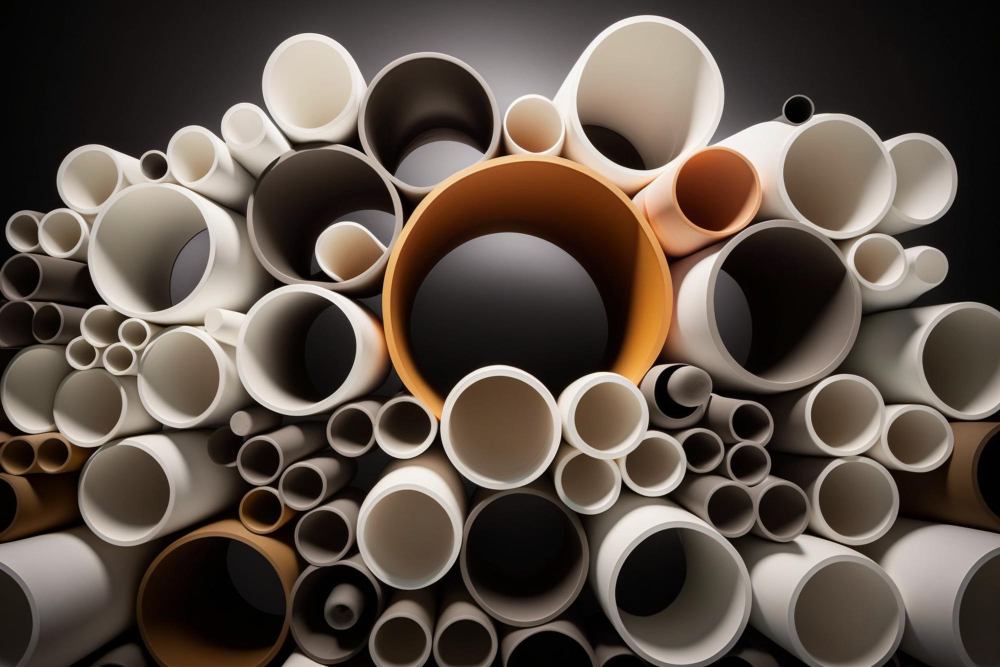
Plumbing is the circulatory system of a home, ensuring the smooth flow of water in and out. The choice of plumbing pipes plays a crucial role in maintaining the functionality and efficiency of a household's water distribution and drainage systems. Whether you're a homeowner, a plumber, or simply curious about the intricacies of residential plumbing, understanding the characteristics of these pipes is essential.
Known for their durability and corrosion resistance, copper pipes have been a staple in plumbing for decades. They are commonly used for both water supply lines and are often preferred by plumbers for their reliability.
PEX pipes have gained popularity in recent years due to their flexibility, making them easy to install in tight spaces. PEX is resistant to scale and chlorine, offering a reliable option for both hot and cold water supply lines.
PVC pipes are widely used for drainage systems. Lightweight, durable, and cost-effective, PVC pipes are a favorite among plumbers for their versatility in handling both residential and commercial plumbing needs.
Similar to PVC, CPVC pipes are a variation designed for hot water distribution. They offer the same ease of installation and durability but can withstand higher temperatures.
In older homes, galvanized steel pipes were commonly used for water supply lines. However, their susceptibility to corrosion over time has led to their decline in popularity. Plumbers often encounter galvanized steel pipes during pipe repair or repiping projects.
Known for their durability and longevity, cast iron pipes were traditionally used for drainage systems. While they are robust, cast iron pipes can be heavy and challenging to work with, making them less common in modern plumbing.
Brass pipes are corrosion-resistant and durable, making them suitable for both water supply lines and certain plumbing fixtures. Plumbers appreciate brass pipes for their resistance to rust and longevity.
Once popular in the 1970s and 1980s, polybutylene pipes fell out of favor due to issues with premature deterioration and leaks. Plumbers in Harker Heights often encounter these pipes during pipe repair or repiping projects, recommending replacement with more reliable materials.
ABS pipes are commonly used for drain, waste, and vent systems. Lightweight and easy to install, ABS pipes are a cost-effective solution for residential plumbing needs.
HDPE pipes are known for their strength, flexibility, and resistance to corrosion. Often used in underground installations, HDPE pipes are an excellent choice for water supply lines and irrigation systems.
While less common in residential plumbing, concrete pipes are used for municipal sewer systems. Their durability and ability to withstand high-pressure conditions make them suitable for large-scale drainage projects.
PEX-AL-PEX pipes combine the flexibility of PEX with the structural stability of aluminum. This composite pipe is often used for radiant heating systems and other specialized applications.
Understanding the different types of plumbing pipes used in homes is crucial for homeowners and plumbing services alike. Whether you're facing a pipe repair, repiping project, or planning a new plumbing installation, the right choice of plumbing pipes can significantly impact the efficiency and longevity of your home's plumbing system. Consult with a professional plumber at Mr. Rooter Plumbing for expert advice tailored to your specific plumbing needs, ensuring a reliable and durable solution for years to come.
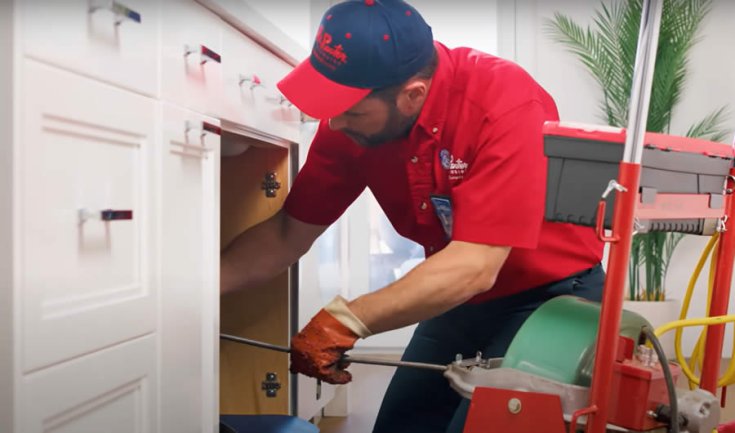
Have you noticed recurring wastewater backups? Are there foul odors coming from your drains? Have slow drains become a common occurrence? These are signs that you have a drain line…
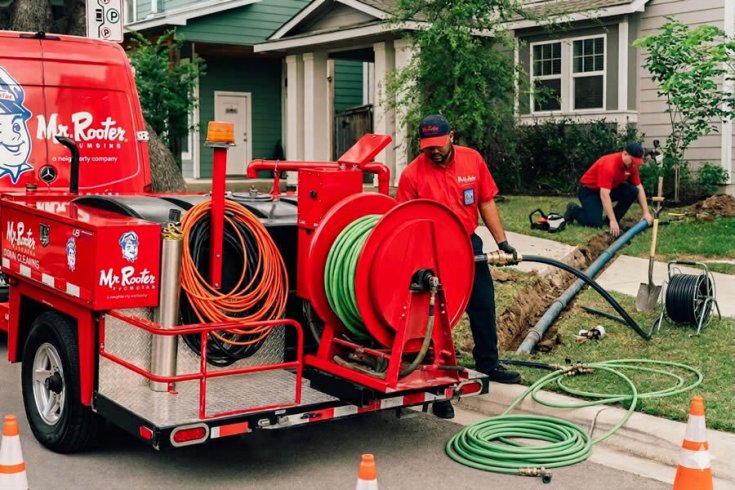
When a water line fails due to age, root damage, or soil conditions, property owners often face a critical decision on whether to opt for open trenching or trenchless…
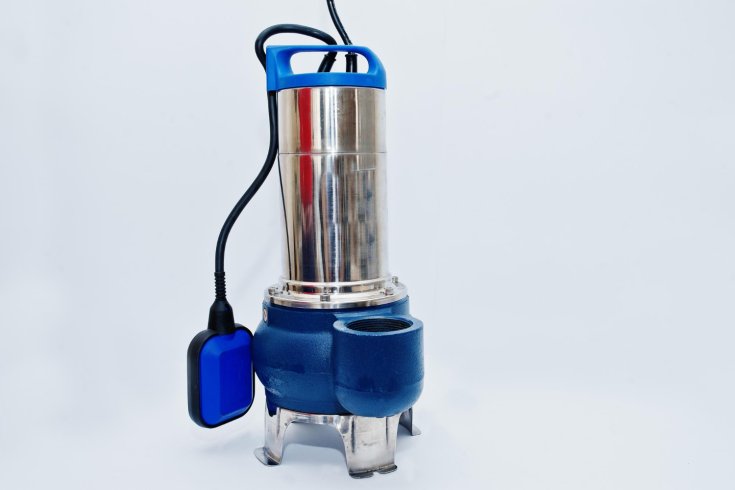
Storms are a common occurrence, and they often lead to basement flooding and loss of power. This is when you really need your sump pump to step in and do…