
Schedule a Plumber This Thursday to Get 50$ OFF
Schedule a Plumber This Thursday to Get 50$ OFF

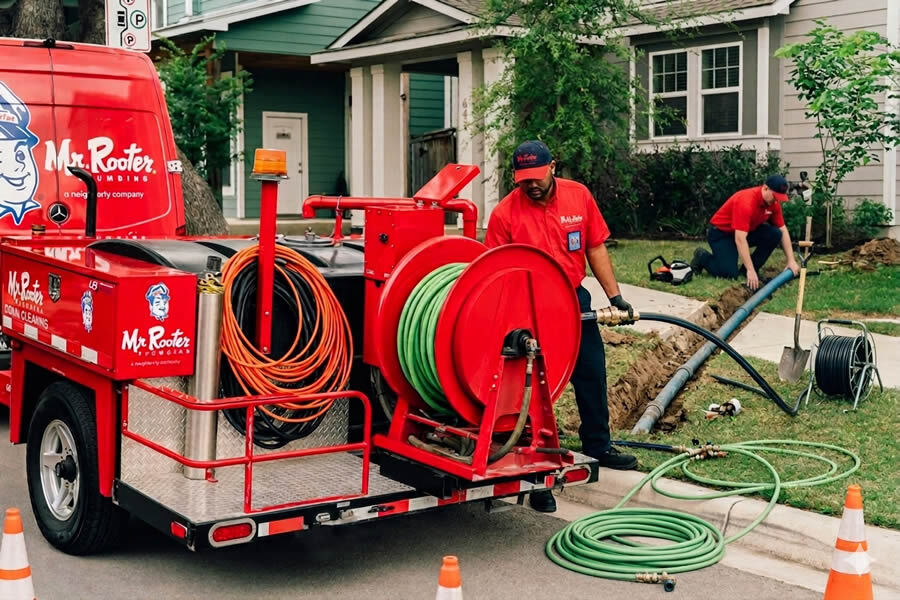
When a water line fails due to age, root damage, or soil conditions, property owners often face a critical decision on whether to opt for open trenching or trenchless water line replacement. Each method is preferred in different circumstances. For instance, no-dig technology works where the pipe is structurally intact. In contrast, severe pipe damage or misalignment calls for open trenching.
At Mr. Rooter Plumbing, we know firsthand how a damaged water line can disrupt more than just your landscaping—it can threaten your property value, water quality, and peace of mind. As skilled plumbers in Killeen, TX with years of experience, we’ve helped countless homeowners navigate the critical decision between open trenching and trenchless water line replacement. In this guide, we’ll explain both options and help you understand which method is right for your property.
Open trenching is the traditional method of replacing a water line. It involves excavating a trench along the entire length of the damaged pipe so plumbers can remove the old line and install a new one. While this approach requires more digging, it gives contractors full access to the underground plumbing.
Open trenching is often recommended when the existing pipe has completely collapsed, the route needs to be changed, or other underground utilities require inspection or relocation during the project.
Trenchless replacement uses specialized equipment to install a new water line with minimal excavation. Instead of digging a continuous trench, plumbers create one or two access points and either pull a new pipe through the existing pathway or use directional boring to install a completely new line underground.
Because much less digging is involved, trenchless technology has become a popular option for homeowners who want to preserve their landscaping and outdoor features.
The biggest difference between the two methods is how they affect your property. Open trenching requires excavation through lawns, flower beds, sidewalks, driveways, and other landscaping features. After the plumbing work is complete, restoration may include replacing sod, repairing irrigation systems, or pouring new concrete.
Trenchless replacement minimizes surface disruption. Most of your yard, driveway, trees, and landscaping remain intact, reducing cleanup time and restoration costs.
Traditional trenching usually takes longer because of the excavation and property restoration involved. The amount of digging depends on the length of the water line and the obstacles along its path.
Trenchless projects are often completed more quickly since there is far less excavation. Many homeowners appreciate the shorter project timeline and reduced inconvenience. Just be sure to hire a reliable plumbing service when you need trenchless pipe repair or replacement.
The total cost varies from one property to another. Open trenching may have a lower installation cost in areas with easy excavation, but landscaping and hardscape repairs can significantly increase the final expense.
Trenchless replacement may have a higher upfront plumbing cost due to specialized equipment, but homeowners often save money by avoiding extensive repairs to lawns, patios, sidewalks, and driveways.
Despite advances in trenchless technology, traditional excavation still has its place. Open trenching may be necessary when:
When Trenchless Is the Better Option
The best replacement method depends on your home's unique situation. A licensed plumbing service can inspect the existing water line, evaluate soil conditions, locate underground utilities, and determine which installation method offers the best long-term value. They'll explain the pros and cons of each option so you can choose the solution that fits both your property and your budget. Always consult with a nearby plumber when you notice signs of water line damage.
Facing a water line problem is undoubtedly stressful, but understanding the differences between open trenching and trenchless water line replacement empowers you to make a choice that benefits your home and wallet in the long run. Mr. Rooter Plumbing is the company to call when you need qualified plumbers to repair or replace your water line. Call us now to book an appointment!
Have you noticed recurring wastewater backups? Are there foul odors coming from your drains? Have slow drains become a common occurrence? These are signs that you have a drain line…
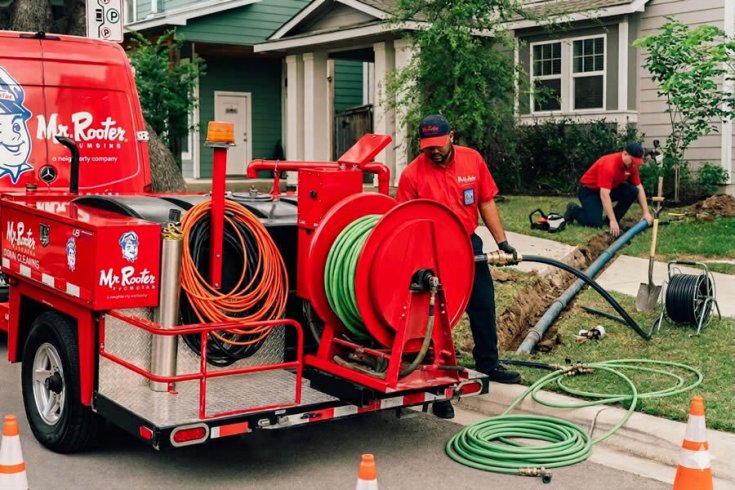
When a water line fails due to age, root damage, or soil conditions, property owners often face a critical decision on whether to opt for open trenching or trenchless…
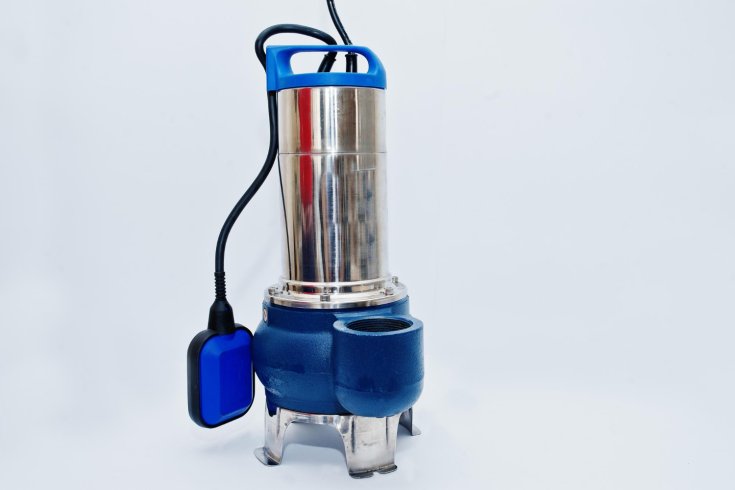
Storms are a common occurrence, and they often lead to basement flooding and loss of power. This is when you really need your sump pump to step in and do…