
Schedule a Plumber This Thursday to Get 50$ OFF
Schedule a Plumber This Thursday to Get 50$ OFF

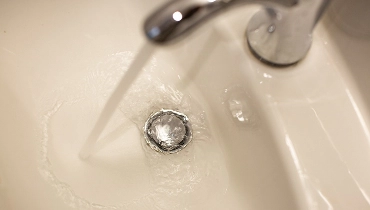
For homeowners who rely on well water, consistent and adequate water pressure is essential for everyday tasks, from showering to washing dishes. Low water pressure from a well can be frustrating and inconvenient. Fortunately, there are solutions to increase water pressure and improve the functionality of your well system.
The pressure tank plays a pivotal role in maintaining water pressure in a well system. If the tank is malfunctioning or undersized for your needs, it can lead to low water pressure. Start by inspecting the tank for any leaks or visible damage. If you notice any issues, consult a plumber for an evaluation and potential replacement.
The pressure switch is another crucial component of your well system. It controls when the well pump turns on and off based on pressure levels in the tank. Adjusting the switch can help increase water pressure. However, this is a task best left to a plumber, as incorrect adjustments can damage the system or lead to inefficiencies. If you suspect something has gone wrong with your pressure switch, call Mr. Rooter Plumbing.
Water leaks within your plumbing system can significantly reduce water pressure. If you suspect a leak, whether inside your home or along the well pipe, contact a plumber or plumbing service to conduct a thorough inspection. Leaks are often hidden, and a professional can use specialized tools to identify and repair them.
Well water may contain sediments and minerals that can clog filters and screens in your plumbing fixtures and appliances. Regularly inspect and clean or replace filters in sinks, showers, and appliances like washing machines and dishwashers to ensure unobstructed water flow.
If your well pump is outdated or inadequate for your water demand, consider upgrading to a more powerful model. A professional plumber can assess your needs and recommend the right pump to ensure consistent water pressure. A well-sized and efficient pump can make a significant difference in your water pressure.
Constant pressure systems are a modern solution to fluctuating water pressure. These systems use variable frequency drives to maintain a consistent water pressure, even during peak usage periods. While installation can be complex, it is a valuable investment that enhances your overall water pressure and efficiency.
Scale buildup from minerals in well water can restrict water flow in your plumbing system. Over time, this buildup can lead to low water pressure. A plumber or plumbing service can assess the extent of the scale and use descaling solutions or water softeners to remove it and restore water pressure.
When in doubt or if you're unable to identify the cause of low water pressure, it's always a wise choice to consult a professional plumber or plumbing service. These experts have the knowledge and equipment to diagnose the issue accurately and provide effective solutions. Attempting DIY repairs can lead to further problems or damage to your well system.
Low water pressure from a well doesn't have to be a constant source of frustration. By following the tips outlined above and enlisting the help of a qualified plumber or plumbing service, you can identify and address the underlying issues causing low water pressure. With the right solutions and professional assistance, you can enjoy consistent and adequate water pressure for all your daily tasks and enhance your overall well water experience.
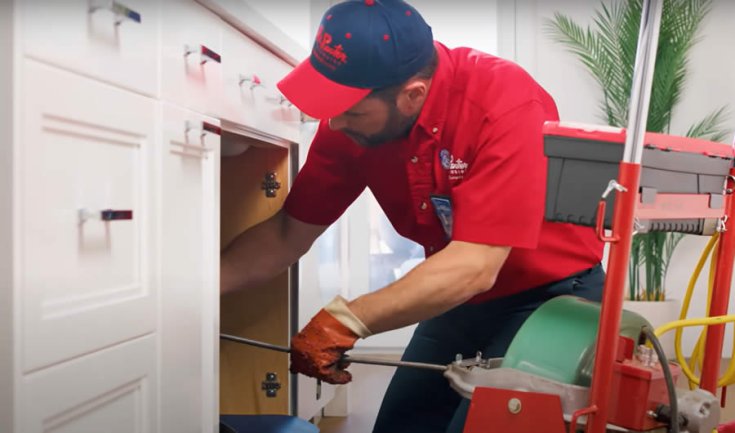
Have you noticed recurring wastewater backups? Are there foul odors coming from your drains? Have slow drains become a common occurrence? These are signs that you have a drain line…
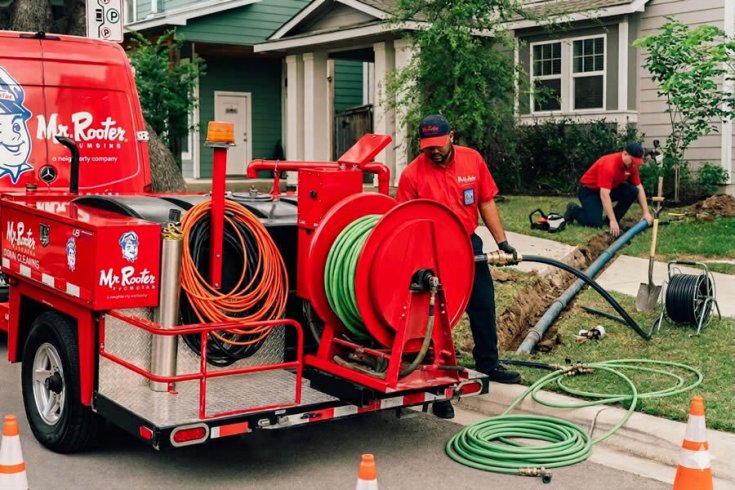
When a water line fails due to age, root damage, or soil conditions, property owners often face a critical decision on whether to opt for open trenching or trenchless…
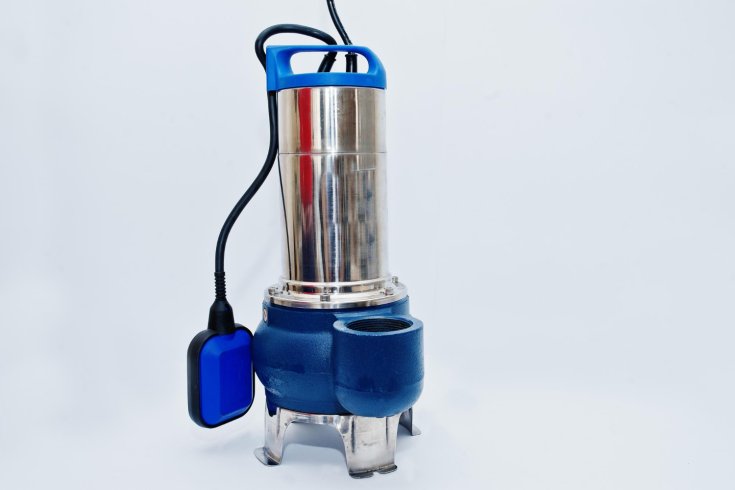
Storms are a common occurrence, and they often lead to basement flooding and loss of power. This is when you really need your sump pump to step in and do…