
Schedule a Plumber This Saturday to Get 50$ OFF
Schedule a Plumber This Saturday to Get 50$ OFF

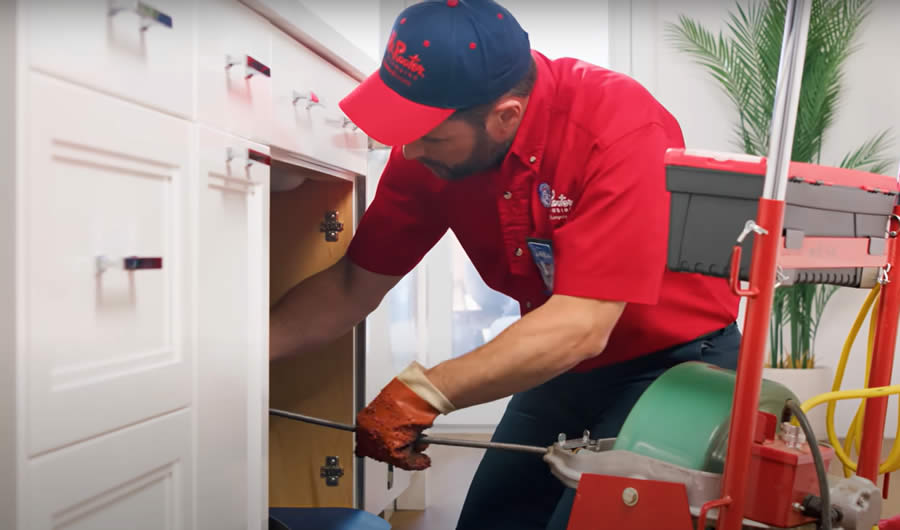
Isn’t it the most ideal scenario when there’s a leak in your house you can very obviously see from either your kitchen or your toilet and think about the implications and take early action, preventing the leak from growing in its earliest stages and saving yourself a great amount of trouble? We know that even if leaks aren’t ideal, those types of leaks are the ideal ones. However, not all leaks consist of dripping faucets or showerheads; noticing some of them can be incredibly hard, and they’re the most dangerous ones, as they can grow without being noticed. Luckily, there are some ways you can tell that there’s an active, most likely hidden, leak inside your house. In this article, we’ll go over some of them.
Water pipes run behind your walls and ceilings, and since the walls are covered with paint, when there’s a leak in those pipes, you’ll notice either a discoloration or peeling off of the paint due to water being absorbed by the walls. Both of these mean that your walls are soaked in water, and since most likely they’re made of wood, they’re on the verge of decaying.
One of the most tried and true methods for finding whether there’s a leak or not is through checking the water meter. The process is relatively easy. You first need to shut off all the water sources. After you are completely sure there’s no water running from anywhere, you need to wait for about an hour to see if the meter shows ongoing water usage. If it does, that means there’s a leak.
We know that a drop in water pressure can be really irritating. However, it can be more than a simple annoyance. Since there’s a leak in the way water is sent across the pipes to your faucets, the pressure won’t be as good as you expect. Of course water pressure can drop due to other reasons as well. However, especially if it is combined with the other signs we mentioned, it can mean a plumbing system leak. To understand where the leak originates from, plumbers can use thermal imaging.
Another important method to understand hidden leaks is through regularly checking your water bills. If you haven’t used more water compared to other months, yet there’s a significant spike in your water bills, this can mean a hidden leak. By simply making it a habit to observe your bills, you can save yourself from so much trouble.
When a leak goes unnoticed for long amounts of time, it can waste water, raise utility costs, and even damage the foundation of your house. By being aware of the warning signals of these "invisible" leaks, you can avoid future expensive repairs. If you are worried about a potential leak, you can always contact the professionals of Mr. Rooter Plumbing. Our plumbers have the latest technological equipment that is used for leak detection and can fix it after identifying it. We offer a variety of plumbing services, and whether you need a water heater repair, emergency services, septic services, or any other repairs, we are always here. Call us today to schedule your appointment.

Many of us rarely think about the condition of our drains as long as the water is going down the drain. However, as we rely heavily on our drains for…
A sudden increase in your water bill can be frustrating, especially when your daily water usage has not changed. Many homeowners assume the problem is caused by dripping faucets or…
Water lines take a beating across the calendar year. Temperature swings, soil movement, and shifting water pressure all play a role in how your plumbing holds up. Understanding the seasonal…