
Schedule a Plumber This Thursday to Get 50$ OFF
Schedule a Plumber This Thursday to Get 50$ OFF
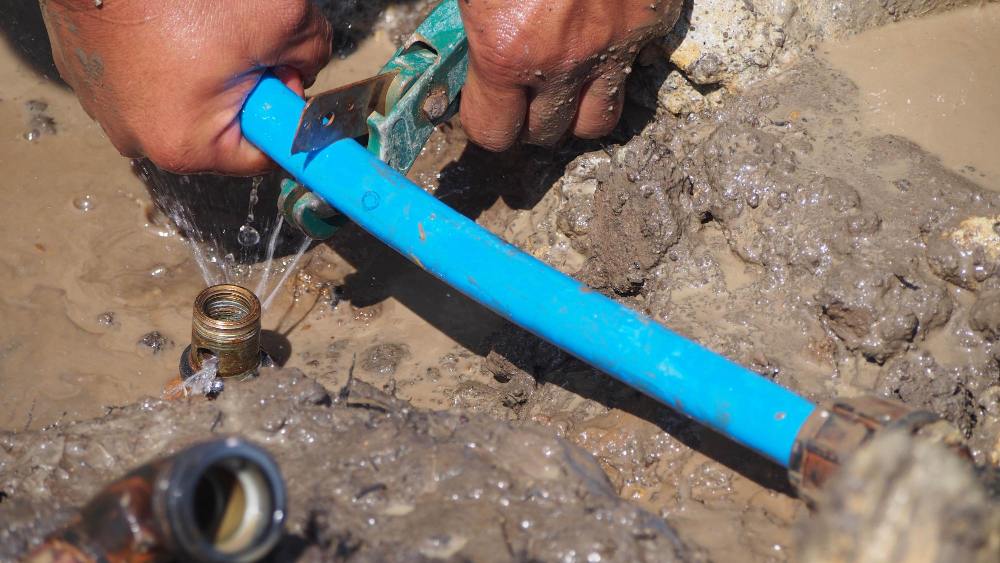
Water lines take a beating across the calendar year. Temperature swings, soil movement, and shifting water pressure all play a role in how your plumbing holds up. Understanding the seasonal factors that impact water lines helps you get ahead of problems. Mr. Rooter Plumbing has seen what each season can do to residential plumbing, so keep reading to find out what to watch for and when.
When temperatures drop below 32°F, water inside your pipes expands as it freezes. It puts pressure on the pipe wall from the inside out, and PVC and copper lines are both vulnerable. The pipe doesn't always burst at the point where the ice forms. It bursts where the pressure has nowhere to go, which is sometimes several feet away from the freeze point.
Pipes in unheated spaces take the biggest hit, like crawl spaces, exterior walls, garages, and a section of line that runs close to an uninsulated exterior. In a hard freeze, those areas can drop to ambient outdoor temperatures quickly. Insulating foam sleeves help, but they don't eliminate the risk completely when temperatures stay below freezing for multiple days.
A plumber in Belton, TX will usually look for signs of freeze damage in the form of pinhole leaks, visible pipe deformation, or a sudden drop in water pressure after a cold snap. If you notice reduced water flow or discoloration in the days following a freeze, it's worth a call. Waiting until the pipe fails turns a repair into an emergency.
The soil around your underground water lines moves with moisture and temperature. When the ground absorbs water, it expands. When it dries out, it contracts. The cycle exerts lateral and vertical force on buried pipes, and it doesn't take much movement to crack an older line or pull apart a joint connection.
Clay-heavy soils are aggressive in this regard. They hold moisture longer and expand more dramatically than sandy or loamy soils, which means pipes in clay-dense areas experience more mechanical stress across the seasons. Root intrusion also exploits the gaps that soil movement opens up, which accelerates deterioration at joints and seams.
The damage from soil movement is cumulative. A pipe that handles one wet season without issue may develop a crack in its third or fourth year of exposure to the same stress pattern. A plumbing service that offers video camera inspection can look for joint separation or cracking to avoid a full break.
High summer temperatures raise the water temperature inside your supply lines, which increases internal pressure. Elevated pressure puts stress on fittings, valve seats, and sections of pipe that already have a weak point. If your pressure regulator is aging or out of calibration, summer is when it's most likely to let you down.
Outdoor hose bibs and irrigation lines deal with direct UV exposure and thermal cycling. PVC irrigation pipes in particular get brittle with repeated heat exposure and may crack at connection points without warning. Drip systems and soaker hoses are less exposed to pressure spikes but still benefit from a seasonal inspection before you run them for the first time each summer.
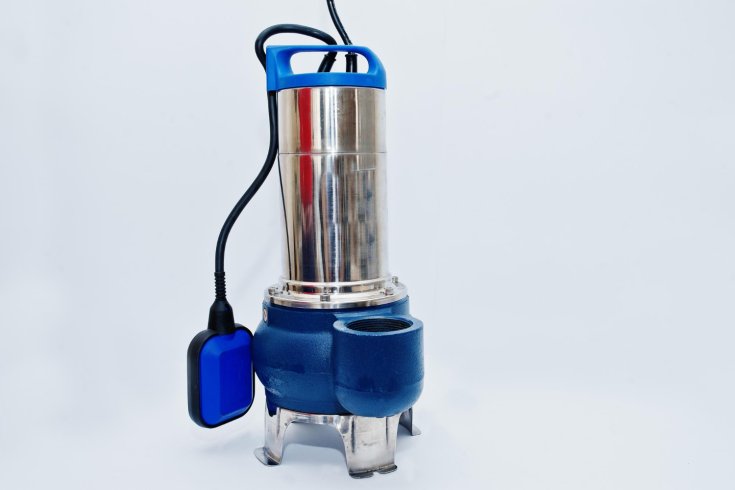
Sump pump installation becomes relevant here if your basement or crawl space collects water from summer thunderstorms. A properly sized sump pump moves groundwater away from your foundation so it doesn't saturate the soil and drive up subsurface pressure against your water lines. Pairing a sump pump installation with a battery backup unit keeps protection in place during power outages, which happen often in summer storm systems in Central Texas.
Flash flooding saturates the ground quickly, and waterlogged soil loses its ability to support buried pipes. When the soil shifts because of flood conditions, it can pull pipe sections in opposite directions and stress or break the mechanical connections at joints. That's especially true at the point where your service line meets the municipal main, which is where the pipe transitions from your property to the city's.
Floodwater also carries debris and sediment that can infiltrate lines through cracks or loose fittings. Contamination inside a water line doesn't always produce visible changes in tap water immediately. It can take days for discoloration or odor to show up, by which point the source of infiltration has already closed back up as the ground dries. If your area experienced flooding, a plumbing service inspection is worth scheduling even if your water looks fine.
Sump pump installation is one of the more direct defenses against flood-related plumbing damage. A working sump pump keeps groundwater from accumulating around your foundation and reduces the hydrostatic pressure that drives water through cracks in basement walls and floors. Combined with proper grading and downspout extensions, it gives your underground lines a more stable environment to sit in year-round.
Not every seasonal failure requires a full line replacement, but a few conditions can. A single clean crack or isolated joint failure in a line that's otherwise in good condition likely needs a repair. If corrosion is running through an extensive length of pipe, or there are repeated failures in the same section, you'll probably need a replacement.
The age and material of the pipe are important to consider. Galvanized steel lines from the mid-20th century are past their service lifespan in most cases. A plumber finding a failure in a galvanized pipe will almost always recommend replacement over repair, because the surrounding material is too corroded to hold a patch reliably. Copper and PEX lines have better repair profiles when the damage is isolated.
Trenchless repair methods like pipe lining and pipe bursting let modern plumbers fix deteriorated lines without excavating the entire run. It keeps disruption to your yard minimal and reduces the costs compared to a conventional open-trench replacement. The right method depends on the extent of the damage, the pipe material, and the depth and accessibility of the line.
Seasonal changes in the area bring freeze risk in winter, saturated soil in spring, heat stress in summer, and flooding pressure in the rainy months. Mr. Rooter Plumbing provides line inspection, repair, replacement, and sump pump installation for local homeowners. Call to schedule a seasonal inspection before the next temperature swing hits, and get a clear picture of where your plumbing stands before it becomes a problem.
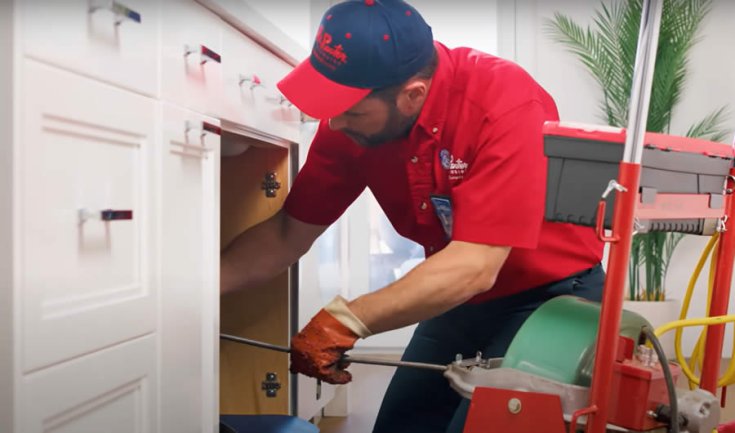
Have you noticed recurring wastewater backups? Are there foul odors coming from your drains? Have slow drains become a common occurrence? These are signs that you have a drain line…
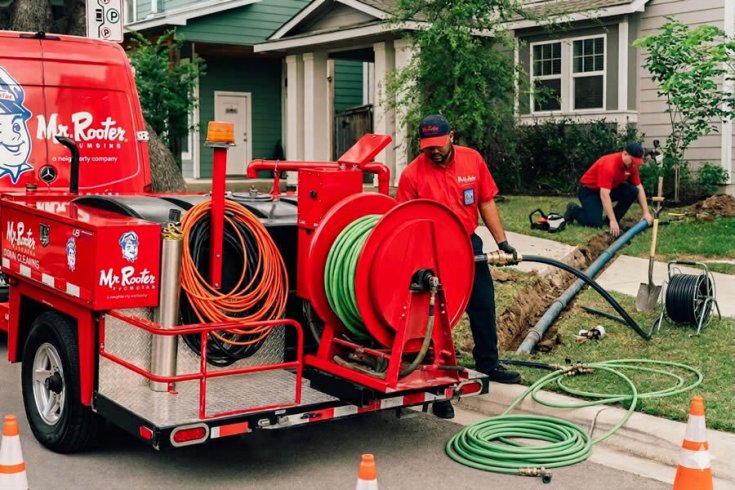
When a water line fails due to age, root damage, or soil conditions, property owners often face a critical decision on whether to opt for open trenching or trenchless…
Storms are a common occurrence, and they often lead to basement flooding and loss of power. This is when you really need your sump pump to step in and do…