
Schedule a Plumber This Thursday to Get 50$ OFF
Schedule a Plumber This Thursday to Get 50$ OFF

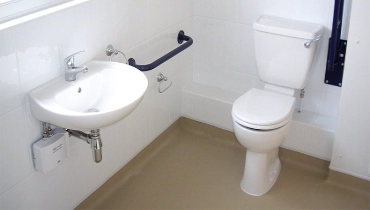
Dealing with a clogged toilet can be a common and inconvenient household issue. While the immediate thought might be to reach for a plunger, there are alternative methods to unclog a toilet without this traditional tool. Before calling in a dependable plumber for clogged toilet repair, consider trying these DIY approaches.
Boiling water is a simple yet effective method to attempt first. Heat a pot of water to near boiling (not boiling) and carefully pour it into the toilet bowl from waist height. The hot water may help break down the materials causing the clog. Allow it to sit for a few minutes, and then flush the toilet to check if the clog has cleared.
Add a generous amount of dish soap to the toilet bowl followed by hot water. The soap can act as a lubricant, potentially helping to break down the clog. Let it sit for a while before attempting to flush. This method is worth trying before seeking clogged toilet repair.
This classic DIY solution can be effective for mild toilet clogs. Start by pouring about a cup of baking soda into the bowl, followed by a cup of vinegar. The resulting fizz may help break down the clog. Allow it to sit for at least 30 minutes before flushing the toilet.
If the clog is within reach, a wire hanger can be fashioned into a makeshift snake. Straighten the hanger and use it to push through the clog, breaking it up or dislodging it. Exercise caution to avoid scratching the porcelain of the toilet bowl.
While not a plunger, a plumbing auger, also known as a toilet snake, is a specialized tool designed to tackle toilet clogs. Insert the auger into the drain and turn the handle to maneuver the snake through the pipes, breaking up or pulling out the clog. This tool is available at most hardware stores and is a step beyond basic DIY methods.
Commercial plumbing enzymes are designed to break down organic matter, including toilet paper and waste, that may cause clogs. Follow the product instructions carefully and allow it to sit in the toilet bowl for the recommended time before flushing.
While some chemical drain cleaners are available on the market, they can be harsh on pipes and may not be suitable for all plumbing systems. Exercise caution and follow safety instructions if opting for chemical solutions. If the clog persists, it's advisable to seek professional help from Mr. Rooter Plumbing rather than risking damage to your plumbing system.
The next time you have trouble with a clog, try these methods. If all else fails and the clog remains stubborn, it's time to consider calling a plumber for clogged toilet repair. Professional plumbers have the expertise, tools, and experience to diagnose and resolve more complex plumbing issues. Attempting extensive DIY methods without success may lead to further complications, making it more challenging and costly to repair.
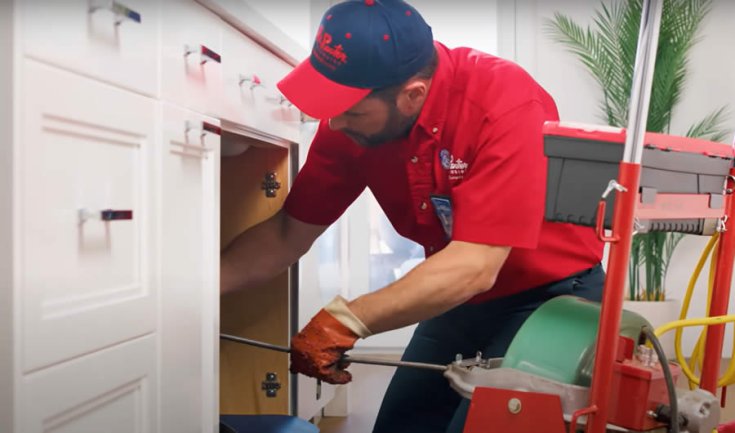
Have you noticed recurring wastewater backups? Are there foul odors coming from your drains? Have slow drains become a common occurrence? These are signs that you have a drain line…
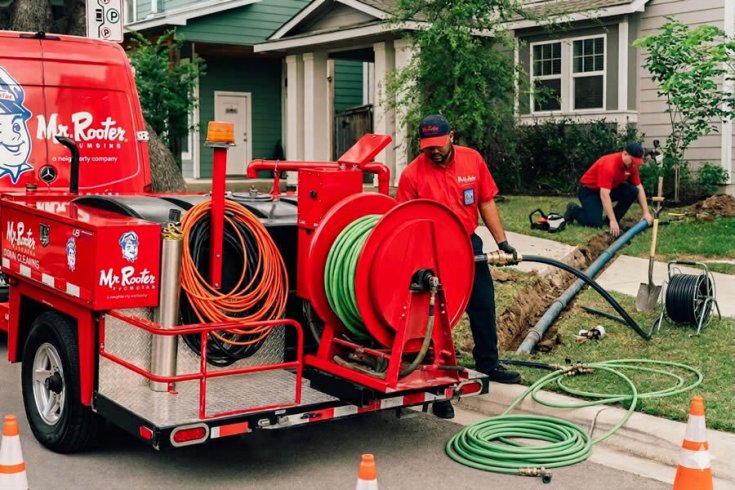
When a water line fails due to age, root damage, or soil conditions, property owners often face a critical decision on whether to opt for open trenching or trenchless…
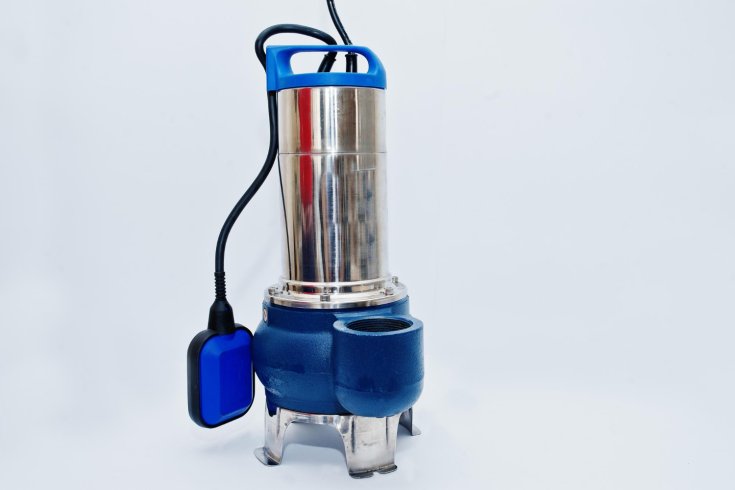
Storms are a common occurrence, and they often lead to basement flooding and loss of power. This is when you really need your sump pump to step in and do…