
Schedule a Plumber This Thursday to Get 50$ OFF
Schedule a Plumber This Thursday to Get 50$ OFF
Daily routines often involve using sinks, toilets, and drains without much thought about where everything goes afterward. Every flush sends materials through a complex network of pipes that rely on proper use to stay in good condition. Small mistakes in disposal habits can gradually lead to buildup, blockages, and costly damage. Protecting these systems starts with understanding what should never go down the drain.
In this blog post, our professionals from Mr. Rooter Plumbing will talk about what not to flush and how simple changes can prevent the need for a plumbing service.
Products labeled as “flushable” may seem safe, but they often do not break down as easily as toilet paper. Items like wipes, personal hygiene products, and cleaning pads can remain intact long after flushing, increasing the risk of clogs. Pipes are designed to handle biodegradable materials, and anything that resists disintegration can accumulate over time. Even a high-quality plumbing service cannot fully prevent issues caused by repeated flushing of these materials, making it essential to dispose of them in the trash instead.
Pouring grease, fats, or oils down the drain may appear harmless in liquid form, but these substances quickly solidify as they cool. Once hardened, they cling to pipe walls and trap other debris, forming stubborn blockages that restrict water flow. Over time, this buildup can require a professional sewer repair to remove. Plumbers in Killen, TX often encounter severe pipe obstructions caused by cooking waste, proving that proper disposal practices in the kitchen are just as important as bathroom habits.
Toilet paper is specifically designed to break down in water, but many other paper products are not. Paper towels, tissues, napkins, and sanitary products maintain their structure and can easily clog pipes. Flushing these materials increases pressure within the system and may lead to backups. A trusted plumbing service frequently addresses issues that stem from improper paper disposal, highlighting the importance of using waste bins for anything other than standard toilet paper.
Items such as cotton swabs, dental floss, and feminine hygiene products are among the most common causes of blockages. These materials do not dissolve and can become tangled or lodged within pipes, creating obstructions that worsen over time. Even occasional flushing of these items can contribute to long-term damage. Many sewer repair cases begin with small accumulations that grow into major problems, emphasizing the need for consistent and careful disposal habits.
Flushing chemicals, cleaning agents, or unused medications can harm plumbing systems and the environment. Harsh substances may corrode pipes or disrupt the balance of wastewater treatment processes. Beyond the immediate plumbing concerns, these materials can contaminate water supplies and ecosystems.
Hair may seem harmless, but it easily binds with soap residue and other debris to form dense clogs. String-like materials, including dental floss, act similarly by wrapping around other waste and creating blockages that are difficult to remove. Over time, these tangles can restrict water flow and lead to backups that require a plumbing service. Preventing these issues is as simple as disposing of hair and similar materials in the trash rather than allowing them to enter the drain.
Every flush and every drain use plays a role in the overall condition of plumbing systems. Poor disposal practices can lead to inconvenient backups, unpleasant odors, and costly repairs that disrupt daily life. Relying on a professional plumber for maintenance and occasional inspections is helpful, but long-term protection comes from informed decisions. Keeping harmful materials out of drains ensures that sewer lines remain clear, reducing the need for emergency sewer repair and preserving the efficiency of the entire system.
Are you in need of a trusted plumber? Luckily, we at Mr. Rooter Plumbing have dedicated workers ready at your service. Contact our representatives for more questions.
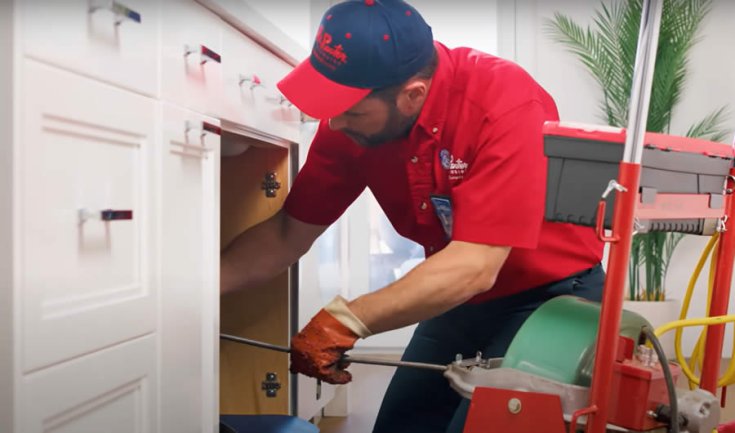
Have you noticed recurring wastewater backups? Are there foul odors coming from your drains? Have slow drains become a common occurrence? These are signs that you have a drain line…
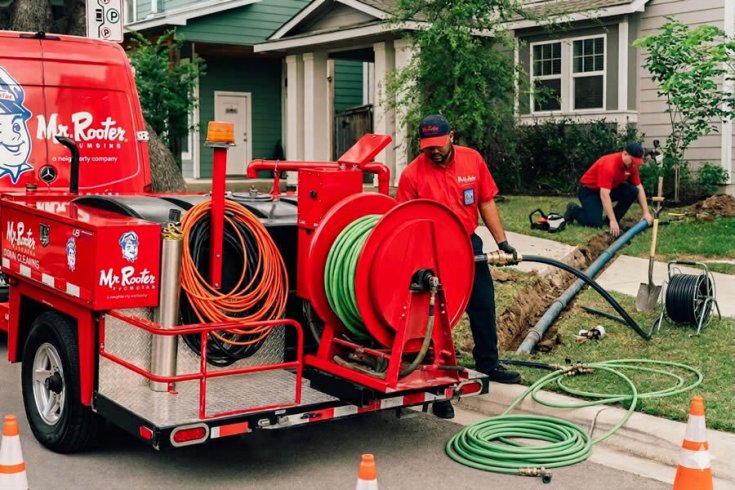
When a water line fails due to age, root damage, or soil conditions, property owners often face a critical decision on whether to opt for open trenching or trenchless…
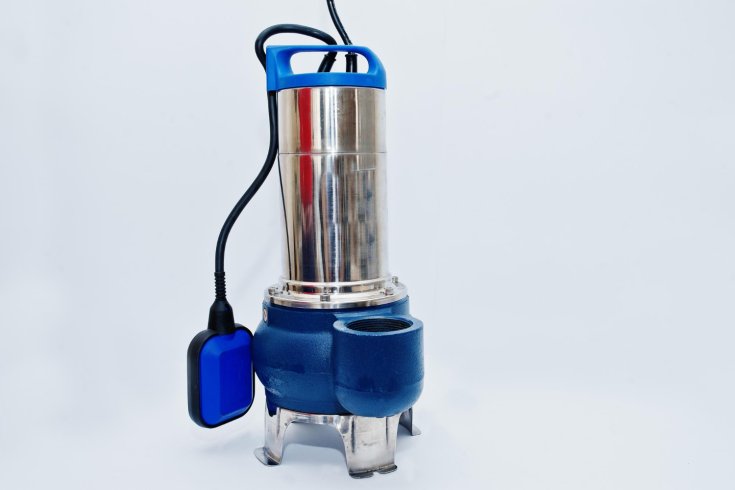
Storms are a common occurrence, and they often lead to basement flooding and loss of power. This is when you really need your sump pump to step in and do…